Blog Archives - Page 2 of 4 - Clientele

Category: Blog

Incompatibility as a form of incapacity

Incompatibility may be defined as an employee’s inability or failure to maintain cordial and harmonious relations with their fellow employees and clients within the workplace. The prerogative to set reasonable standards pertaining to harmonious interpersonal relationships in the workplace lies with the employer.

Even though section 188(1)(a) of the Labour Relations Act 66 of 1966 does not make specific reference to incompatibility as a ground for dismissal, this ground has over the years found application with approval in the South African labour laws.

Although incompatibility may be applied as a form of misconduct and/or operational reason, this piece focuses on incompatibility as a form of incapacity. The Courts have, over the years, laid down guidelines on how to deal with an employee being incompatible in the workplace and may be summarised as follows:

  • The employer must bring to the attention of the employee, the fact that the behaviour or conduct causes disharmony in the workplace;
  • The employer must inform the employee how their conduct causes disharmony in the workplace and which specific fellow employees are upset or affected by the behaviour or conduct complained of;
  • The employer must afford the employee an opportunity to improve the relations in the workplace;
  • The employee must also be afforded counselling (where possible and necessary) and must be warned of the consequences of continuing with the conduct complained thereof;
  • In the event the employee is unable to mend her ways and improve the relations with fellow employees, the employer may hold an inquiry into the incompatibility of the employee;
  • The employee must be given notice to attend the inquiry (48 hours’ notice has been held to be sufficient);
  • The notice to attend the inquiry must provide the employee with sufficient information relating to the disharmony complained of, the employees affected, the period within which the said behaviour or conduct took place and steps taken by the employer to correct the behaviour;
  • The employee must be given an opportunity to challenge and adduce the evidence during the inquiry;
  • In the event it is found that the employee was advised of her conduct causing disharmony in the workplace and that the employee failed to take reasonable steps to mend relations in the workplace, the employee may be dismissed on the basis of incompatibility.

The test for incompatibility:

The test for substantive fairness of incompatibility dismissals is twofold. The first leg of the inquiry is “to what extent does the tension or disharmony caused by the employee disturb the business operation of the employer. The second leg of the inquiry is whether the employer took reasonable measures to address the tension or disharmony.

It is common cause that if it is found that the tension or disharmony caused by the employee’s behaviour or conduct affects the employer’s operations negatively and is somehow grave and that the employer has taken reasonable steps to correct the behaviour of the employee without success, the employer may be justified to dismiss the employee.

Brief Case study: Chemical, Energy, Paper, Printing, Wood and Allied Workers Union obo Mokoena v Sasol Chemical Operations (PTY) ltd (2022) 2 BALR 105 (NBCCI).

In this case, the Bargaining Council was tasked with deciding the fairness of the dismissal of an employee who excessively abused the employer’s grievance processes and continually displayed aggression towards his immediate supervisor. In arriving at his decision, the commissioner noted that the employee lodged a grievance for the same issues after a successful conciliation. It was also noted that the employer continuously went out of its way to assist the employee who continuously rejected the advice and persistently raised issues which were previously addressed. The Arbitrator correctly ruled that the applicant had disrupted harmony in the workplace, which warranted a dismissal.

In conclusion, it is clear that although incompatibility is not recognised as a separate ground for dismissal in terms of our law, it has found a way to infiltrate the contemporary SouthAfrican labour laws. Notably, the procedure followed in dealing with incompatibility is distinct from all other grounds of dismissal (that is despite its application being linked to the recognised grounds of dismissal currently). Incompatibility as a ground of dismissal has recently received attention from numerous authors who called upon the legislature to consider including incompatibility as the fourth ground of dismissal in terms of the Labour Relations Act. I am also a proponent of the inclusion of incompatibility as a ground to bring about certainty in its application in the contemporary labour laws.

By: Karabelo Mmelesi

Disclaimer: This information is published as general information and is not intended to constitute legal advice. Specialist legal advice should always be sought in relation to any particular situation.


Agreements and your smaller business- 4 things to know

Being a business owner means that you have to wear many hats and that includes being an accountant, manager, lawyer, and even a cleaner if the task arises. These tasks can deter entrepreneurs from the true passion for their small business and leave them with no time for growth. Despite these many responsibilities, entrepreneurs are able to outsource tasks, and planning your legal agreements could be detrimental to saving your business thousands of rands in the long run, should a legal issue arise.

Treat all agreements, including verbal arrangements as a ‘contract.’ It will help put you in the right mental and legal frame of mind from the outset. Agreements could include service level agreements, cost estimates, rental contracts, employment contracts and admissions of debt.

Here are some of the things to consider about agreements as a small business owner:

As a small business, it is easy to trust individuals who promise to perform in terms of providing a service or goods for your small business. As a director, you may have to make the difficult call of striking a deal verbally at that time as you are under tremendous pressure to grow your business in the demanding and competitivemarket. It is important to note that when you agree verbally, those agreements are binding on your business. As the saying goes, verbal agreements are not worth the paper they are written on. Verbal agreements are difficult to prove and there is a resounding recommendation from lawyers that the terms of that agreement should be written. Even though most written agreements are not a requirement by law, if a breach of an agreement is encountered by your business it could be difficult to navigate in court for even a skilled lawyer.

Read, read, read!

Entrepreneurs are busy individuals but a simple task such as reading your agreements may fall by the wayside. An important aspect of contracting with another party is reading the entire agreement. If you do not understand the terms of the agreement you could bind your small business to a number of factors that could cost you both time and money. The good news is that if you determine the difficult or unfair clauses upfront then you can avoid a lot of misunderstanding at a later date. If you do amend an agreement, ensure that you record all amended clauses and that this is signed and witnessed by all the contracting parties.

Did you say cancel?

As a small business, you have to make lightning-quick decisions when you are attempting to resolve a problem that you are encountering. This can lead you to agree to the terms of the agreement without considering the consequences. Some service providers may have an excellent selling point for their service however the service provided may not be suited to your business. In order to avoid entering into an agreement that you may soon regret, consider the cancellation clauses of the agreement and specifically the months you will be responsible for payment after you have cancelled the agreement. Note that some agreements may have a one-monthcancellation and others may have a notice period of up to three months. If you have signed the agreement, you have agreed to the terms, and will be liable to pay in terms of the cancellation clause. Similarly, take note of return policies for products that you purchase for your small business!

As an entrepreneur, you may have the expertise to do whatever it takes to grow your business. Unfortunately, the incorrect legal decision as an entrepreneur can cost your business time and money. Fortunately, legal expertise and knowledge can be outsourced! There are legal experts that you can pay to determine risks in an agreement provided by a service provider or to draft the relevant agreements for your business’s legal needs. Consider paying an attorney to draft or review these agreements on your behalf. An attorney will charge you on a per-hour basis to review or draft the agreement. The benefit is free time for you to focus on the daily running of the business.

As the needs of smaller businesses grow, so has the supply of more affordable legal alternatives have become more available and popular. For a small monthly fee, you could have access to the range of services your business needs. Legal services insurance is also designed to be convenient and offers many support services digitally, minimising time spent in lawyer’s offices.

Most importantly, do you your homework and do the best for your business.

Clientèle Legal is here to assist SMS LAW to 41771 NOW and a friendly consultant will call you back!

DISCLAIMER: This information is published as general information and is not intended to constitute legal advice. Specialist legal advice should always be sought in relation to any particular situation.
Employment law 101 – what smaller businesses need to understand

If you have any ambitions to grow your small or medium-size business into a bigger enterprise, you might need to grow your team. People are the lifeblood of your business. Your staff are often the face of the business and what will keep you motivated, but your human resources can also be a source of risk and worries. As much as they all have to be respected and treated as individuals, they are also each a legal entity entitled to rights according to the constitution and labour laws. It is important to understand the regulatory framework that comes with each new appointment.

Here are some basics:

Dismissals: Worker’s rights in South Africa


The high level of unemployment in our country and the recent economic depression has put worker’s rights under a spotlight. We as a concerned society, and our judiciary system as an executive wing of governance, are sensitised to the plight of workers who lose their jobs and its consequences. It means that employers should be extra cautious when it comes to dismissals and retrenchments. These can be a regulatory minefield, not only in terms of procedure, but also in principle.
For instance, the LRA (Labour Relations Act) specifically Section 189 focuses on finding ways of avoiding retrenchment and ensuring that the adverse effects of a dismissal are mitigated as far as possible.
The procedures one has to follow when dismissing someone are rigorous and specific. Failure to comply with even a simple written warning, for instance, might make the dismal ‘unfair’ or unlawful.
While the thought of getting rid of a troublesome employee who disrupts production and team dynamics might be attractive in theory, it could be a regulatory minefield that costs you more in litigation than it saves you in wages.
Do it properly; calmly, compassionately and with legal assistance.

An employment contract is essential, but not sufficient

Before you agree to pay someone a regular fee for regular work of any kind in the service of your business, you would be well advised to set the terms out clearly on paper. Formal employment contracts will stipulate the hours a person has to work, give an outline of the type of duties expected and what the remuneration structure is.
This contract can be drawn up by yourself using templates from the internet or drawn up by professional legal services, but it will go a long way in protecting both parties from unnecessary disputes and confusion.
Think it through thoroughly and clearly before you sign anything. That will be your first step to starting out your human resources journey properly.
Next, do some legwork. Read the Labour Relations Act and the Basic Conditions of employment Act. It affords both parties rights and conditions that might override the actual contract that you signed.
Outside of the employment contract (or despite it) employees have rights arising out of common law, case law and the constitution. These include:

  • Not to be unfairly dismissed;
  • To be treated with dignity and respect;
  • To have safe working conditions;
  • To non-victimisation in claiming rights and procedures.

These type of rights are not as easy to pin down in a basic employment contract and are open to interpretation – and litigation.

The Basic Condition of Employment Act (BCEA) also affords workers the right to join a trade union and makes provision for employees to refuse to comply with an instruction contrary to the BCEA

They are also allowed to discuss their conditions of employment and benefits with fellow employees, their family or anyone else.

Do your homework. Get professional legal help.


Permanent staff or contractors?

Just because you consider someone a permanent staff, or alternatively a contractor, does not mean the law will agree with you. Outside of an employment contract, the LRA might consider a part-time worker an ‘employee’ entitled to all the rights ascribed to ‘full-time’ employees. Conditions under which that might occur include:

  • The person has worked for at least 40 hours per month over the last three months;
  • The person is economically dependent on the other party for whom they render services;
  • The person forms part of the organisation.
  • A good rule of thumb is to treat every single person you interact with on a human resources level as an employee, with all the necessary cautions and precautions.
  • Ask your lawyer to guide you in this regard.


Vicarious Liability

This is an aspect of common law that smaller business owners should be aware of. It means that the employer is held responsible for the actions and omissions of the employee committed during the course and scope of their employment.
An example of this could be that a construction worker damages the property of a homeowner while doing renovations, you as the employer will be held to the client vicariously reliable for any loss or damages suffered.


Keep your head in the clouds but your feet in the Legal department


Growing your team as a smaller business will be one of the most rewarding aspects of your success, as well as one of the most challenging. Spend as much time developing your knowledge and preparation for this legal reality as you would spending on solving supply problems, billings or coming up with better product solutions or performance incentives.
Important: Don’t be discouraged by potential pitfalls. Enjoy your people, enjoy the trip. Remember, Bill Gates, Elon Musk had to go through a similar journey.
Make hope part of your strategy. But make professional legal services part of the action plan.

Contractual disputes – a guide for small business owners

Contracts are an essential part of conducting any business. As a small business owner, it is crucial to understand the terms and conditions of any contract entered with an individual or business entity, especially regarding your legal interests, obligations, and remedies available in the event of a future contractual dispute.

Contractual dispute generally arises due to a breach of the contract. In contract law there are different types of breaches that may occur, however, a ‘major breach’ or ‘material breach’ of contract is detrimental to a small business owner as it may cause substantial financial loss and damage to the business.

Common Reasons for Contractual Disputes:


  • Failure to perform– A service provider neglects to provide goods or services as agreed or provides an unsatisfactory service or sub-standard goods;
  • Non-payment for services rendered- Your business may have provided a service or delivered goods and your customer neglects to effect payment;
  • Impossibility to perform- A contracting party neglects to perform in terms of their obligations and as a result you are unable to perform. For example, the other party neglects to attend to an interim payment and you are now unable to purchase material required to complete the work;
  • Unreasonable delays- A party neglects to perform in accordance with the timelines or milestones as agreed between the parties without any valid reason;
  • Unreasonable termination – A contracting party may proceed with termination without following the terms of the agreement or contractual law. For example, the contracting party neglects to inform you of any breach and further neglects to provide you with a reasonable time to remedy same prior to termination.

The Breach Clause

All contractual agreements should include a Breach Clause. The purpose of the clause is to confirm the steps to be followed in the event of a breach by either party. The Clause confirms that a written Notice is to be provided to the party in breach. The Notice will state the term of the agreement that has been breached and will provide the party in breach with a reasonable time to remedy same. This is generally between 7 to 14 working days. Should the party in breach neglect to remedy the breach within the requested time frame then the aggrieved party will have the option to terminate the agreement and proceed with a claim for damages, alternatively the aggrieved party may proceed with a claim of specific performance.

  • Claim for Damages- This is a monetary claim for expenses incurred due to terminating the agreement and instructing a new service provider to rectify unsatisfactory or incomplete work. The aggrieved party is required to obtain a quotation and invoice from the new service provider which is used to quantify the damages suffered. The aggrieved party may have suffered other damages such a customer cancelling their services resulting in loss of business. An aggrieved party must have evidence of how loss was quantified which is essential should the matter proceed to Court;
  • Claim for specific performance- An aggrieved party may insist that the other party remedy the breach and complete the work. The aggrieved party will proceed to Court with an application to compel the other party to perform in terms of the agreement.

The Arbitration Clause

The purpose of the Arbitration Clause is to allow for an alternative remedy as opposed to proceeding to Court for assistance with a contractual dispute. An Arbitration Clause will confirm a process to be followed by the parties that allow for discussions to mediate and resolve the dispute. Should mediation be unsuccessful, then the parties may refer a dispute for Arbitration

At Arbitration an expert is appointed and both parties will have an opportunity to present an argument before the Arbitrator. The Arbitrator will then hand down a ruling confirming a resolution to the contractual dispute that is binding on both parties.

NB: The Arbitration process is costly and may in certain instances cost more than having a matter taken to Court, however, in certain instances where the contract is highly technical in nature such as a contract to provide engineering services, it may be beneficial to proceed with Arbitration rather than proceeding to Court as the Arbitrator as an expert will have more technical knowledge on the dispute as compared to a Judge or Magistrate.

Tips to Remember

  1. Avoid “handshake” agreements– Always have a written contract in place for all your business dealings. Ensure that you contact your Legal Advisor to assist you with drafting the correct agreement that is suited for the reasons you are entering into an agreement and further protects your legal interests and contains the necessary clauses to assist you in the event of a contractual dispute.
  2. Read and understand your contract- Always ensure that you read through a contract that is provided to you before signing. Should you require assistance with understanding your agreement then contact your Legal Advisor to review your agreement and provide you with advice on whether there are any terms that effect your legal interest or whether there are essential terms such as Breach Clause that has not been included.
  3. Signing means you understand- Remember that once you sign an agreement you are required to abide by the terms of the agreement. The Courts are reluctant to set aside a contractual term or agreement as it is taken that you understood the terms and conditions of the agreement before signing same.
  4. Stay calm, control your emotions-Should you find yourself in a contractual dispute refrain from arguing with or threatening the other party as it may result in a breakdown of the relationship and effect your business interests.
  5.  Negotiate- Remember that negotiating with the other party is more cost effective and less time consuming than proceeding to Court. Should you be unable to effectively communicate with the other party then contact your Legal Advisor who has the necessary skills to assist with your contractual dispute.
  6. Don’t be hasty- Do not proceed with termination of an agreement without first seeking the advice of your Legal Advisor as you need to ensure you follow the correct steps before proceeding with termination, failing which the other party may be able to dispute the termination as you will then be in breach of the contract.
  7. Time to claim- Remember that in terms of South African Law you have 3 years from the date that a claim is due to you to proceed to with legal Summons, failing which your claim would have prescribed. Once a claim prescribes there is a possibility that the other party can raise same as a defense in Court, which may result in the matter being removed from Court. You will further have to pay for the legal cost of the other party.

Legal hassles can sink your small business before you have begun to swim

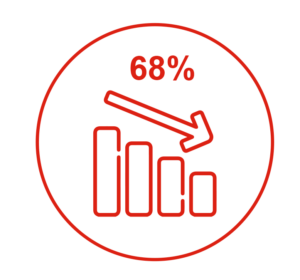
South Africa is a challenging environment in which to succeed as a small business. Our government regulations can be prohibitive, and the recent COVID-19 pandemic followed on the heels of an economy not performing well and a slow recovery rate.According to Stats SA, there was a 68% failure rate for SMMEs not succeeding in their first year before the pandemic. Since the COVID-19 outbreak, this hasincreased to 75%. Small businesses have also reported a 1,000% increase in debt collection problems as they struggle with clients who do not pay on time or at all.

Reasons that small businesses fail

There could be many reasons a small business fails in its first year: lack of funding opportunities, problems entering the supply chain, legal disputes and complaints from unhappy clients, but legal issues underpin all of them. Whether it be partnership disputes, labour matters, debt collection and poor administration of accounts – all have a legal foundation. So meeting all your legal requirements will increase a business’s chances of success and ease the regulatory pressure on SMMEs. But, unfortunately, you can only do something about the former.

Do I need Legal cover

While many SMMEs recognise the need for a formal legal caretaker in the business plan, many think they do not have the time, money or access to lawyers or legal services. Lawyers are associated with long waits in their reception, travel, and money. It is not an unfounded concern. The drafting of a whole complement of contracts a business might need (service level agreements, employment contracts, partnership contracts, rental agreements and others) could cost up to R100,000. Spending a few hours with a private lawyer to cover fundamental start-up issues could cost up to R10,000.


Thus, many SMMEs don’t invest in that business area, with disastrous consequences down the line. They shake hands on deals instead of drawing up formal contracts with a service provider, for instance, and then have no legal recourse when their invoices are unpaid or the work has not been done correctly. The reputational risk in one highly publicised false accusation on social media could wipe out profits and bad debt that can sink you. In the US and Europe, the concept of legal services in the form of a more affordable monthly insurance premium is well-established. However, in South Africa, it is a relatively new concept. If SMMEs do not neglect this part of the business, it will serve them well.

Many small businesses also do not invest enough into taking care of legal or labour issues. The perception is that because the company is small, the employee’s legal rights are not equal to those in a large business, but they are. It can be difficult for an entrepreneur to understand that people joining them are not cheerleaders for their success but individuals whose main interest is in looking after themselves and their families. Employers often overestimate ‘loyalty’ and does not take into account that employees compare their benefits of those with a big corporation and might feel they are lacking in comparison. People are complicated, fickle and demanding, whether employees, customers or service providers. The best way to protect yourself in this environment is to rely on the law and its structure. Take emotion and ambition out of any arrangement by having a contract drawn up properly. The time and money you spend now will save you in the future, and both parties feel safer that way.

Formalising your business in terms of registration should also be considered, even with the red tape and associated costs. You have opportunities to get exposure to government incentives and benefits for employees like the Unemployment Insurance Fund (UIF). You might also attract a better calibre of employees if you behave like a ‘proper’ business and not an informal trader, and clients might have more trust in you.

Start-up businesses dive into the deep end when setting out in South Africa. And most of them will sink instead of swim in the first year. While there is much admiration to be shown to anyone possessing the courage to attempt to be an entrepreneur in these tricky waters, it is better to ensure that the business makesmoney first. Ideas don’t make money companies do. And successful businessesmake access to legal services part of their running costs and operations. Make sure you know what all your options are.

Your December is on us!

The holiday season is a time for giving, and Clientèle is giving you the gift of peace of mind!

If you DebiCheck your policies and pay all of your premiums from now until the end of November, Clientèle will pay your December 2023 premium for you.

This offer is a great opportunity for you to get ahead on your insurance payments and take a little stress off your plate during the busy holiday season.

Don’t let the holiday hustle and bustle keep you from taking care of your insurance payments. Take advantage of Clientèle’s holiday offer and enjoy the peace of mind that comes with knowing your cover is secure.

Remember, this offer is only available if you pay all of your premiums until the end of November and DebiCheck your policies. So don’t wait – contact Clientèle today and take advantage of this limited-time offer!

Loneliness can make you ill, let us support each other

Loneliness, stress and lack of sleep can all weaken your body’s natural defences, thereby making you more susceptible to infection and disease. Your immune system might produce inflammatory cytokines which can generate sustained upper respiratory infection symptoms. That is why, when we are under sustained stress we often get more colds, flus and other respiratory diseases.

The COVID-19 pandemic and lockdown measures have forced many people into voluntary or mandatory self-isolation. This appears to have hastened disease, and even death, in some cases. The effect has been seen more markedly in our elderly population. Doctors and caregivers have reported increased falls and a decrease in physical strength and movement. The confinement and social isolation also fuel depression, which in turn increases the risk of high blood pressure, heart disease and stroke.

For anyone taking care of an elderly person or anyone in a situation of prolonged isolation, it is important to show care, love and support. The creative use of technology can keep people in touch with loved ones or others in a similar situation. It is also important to make sure that basic health and hygiene routines are kept to and that any symptoms are treated immediately with the necessary medical oversight.

We are all in this together. Let us support each other.


Sources:

https://journals.sagepub.com/doi/full/10.1177/00302228211010587

https://onlinelibrary.wiley.com/doi/10.1111/jan.14856

The rise of Legal Services

Most businesses realise they need some kind of legal assistance but many feel it is too expensive or that they are contracting a sledgehammer to crack a walnut. The rise of affordable legal services, which might include advice and mediation without the need for a private lawyer, has changed the legal landscape in recent years.

Best-selling author and futurist Professor Richard Susskind has predicted this trend, as well as how digitisation might affect the industry. “We (lawyers) are not immune to changes in the digital environment,” he says. “Individuals in need of legal counsel are driving change. If the market demands lower costs, we have to rise to the challenge.” The past decade has seen the move towards email-based service online consultations legal services offered at a flat rate. This has resulted in efficiencies that have brought down costs. The era of sitting in a lawyer’s office for hours just to get a consultation is over. Susskind says the COVID pandemic has also shined a bright light on how things can be done differently in terms of court cases: “What was thought to have been a 10-year plan to move the world’s antiquated court system to a remote one actually only took a few weeks. Susskind also explains that people don’t want lawyers – they want justice. So lawyers should look at ways to make technology provide it.

In South Africa, we have also seen this trend with the rise of quality legal services being offered at an affordable monthly fee as opposed to high hourly rates. Clients are encouraged to communicate via email or online video services and the focus is on settling the matter before it gets to court. Services offered can be comprehensive, including; contractual matters, labour, consumer protection and debt-collection services.

If you have a small or medium-sized business, consider a legal services package instead of an in-house team of lawyers. After all, as Susskind says:
“It’s better to have a fence at the top of a hill than an ambulance at the bottom.”

Sources:

The End of lawyers, Susskind 2008, thomsonreuters.com, entrepreneur.com
https://www.americanbar.org/news/abanews/publications/youraba/2020/youraba-september-2020/futurist-susskind-sees/

5 reasons to keep it moving!

Gyms are open again, we can all walk on the beach and sports are slowly getting back to normal. Yay! Whatever form of exercise you feel comfortable with, experts suggest that doing it 1 to 2 hours per week will bestow you with a host of health benefits:

  1. Increases the production of hormones that make you feel happier, thereby helping to combat depression, which might have occurred during lockdown. “Motion changes emotion.”
  2. Improves your quality of sleep, which in itself boost immune function and general well-being.
  3. Improves your skin’s appearance, thereby making you look younger. Who does not want that?
  4. Exercise is an important part of a weight-loss regime. Together with a sensible diet, you can get that summer body.
  5. Lessens the risks of chronic diseases such as; heart disease, obesity and diabetes, all of which are risk factors for COVID-19.

Let’s get moving and keep it moving!

This article and its content is for informational purposes only and does not constitute financial advice.

How to prepare for a funeral

The death of a loved one affects us on so many levels; emotionally, financially and spiritually. While all of us understand that a death in the family is a certain event we will all have to deal with at some stage, many of us avoid thinking about it, never mind planning for it. We might be afraid of the unknown, or hope it never happens to us. Most people are simply overwhelmed by the practicalities involved in arranging a funeral. It is daunting at the best of times.

It is important to understand that there is help. There are many funeral plans available to make the financial planning easier, as well as useful tips to guide you in planning ahead. According to industry experts, these are the first official steps one has to take when someone passes away:

  • Get a Death Certificate. Death reports can only be issued by Department of Home Affairs, Traditional leaders, members of the SAPS and authorised undertakers. The Department of Home Affairs will issue a Death Certificate on receipt of the notification of death (Form BI-1663) and the Death Report (Form BI-1680). See: http://www.dha.gov.za/index.php/civic-services/death-certificates. Without the Death Certificate, you will not be able to administer the Will or register the death.
  • Locate the deceased’s ID smartcard or green barcoded ID book. Without it, making funeral arrangements and administering the estate will be very difficult, if not impossible.
  • Determine whether the deceased had any funeral or life policies. This might make money available quickly, so you can plan the funeral without financial worry.

It is also advised that each person keeps a file of their policies, copies of ID documents and a Will to help their loved ones with the difficult process of bereavement.

Helpful Links
Clientèle Funeral Guide: An easy-to-read practical guide on how to plan a funeral, with helpful tips, telephone numbers and a checklist.

This article and its content is for informational purposes only and does not constitute financial advice.